Books
Over the course of a 30-plus year career I have written something on the order of a dozen or more books. These range from trade books aimed at a general audience, to academic monographs, to textbooks, to hybrids that combine categories. This page lists some of my more recent and/or successful books.
The Public Policy
Theory Primer
(2026, Routledge)
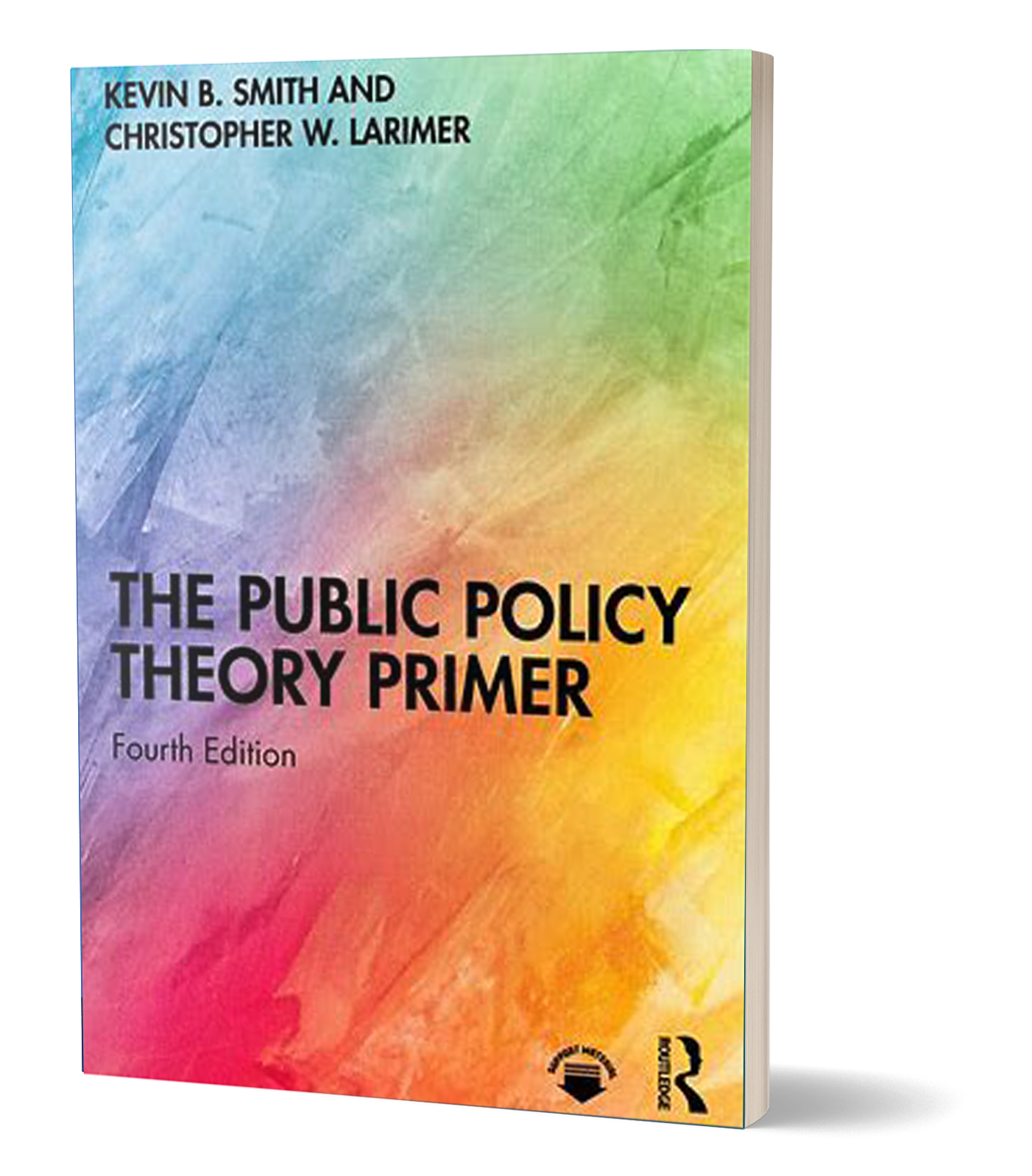
A book that straddles the line between academic monograph and textbook. It has gone through multiple editions and has been widely used by PhD students studying for the qualifying exams in public policy for decades. It also gets cited a lot.
Governing States
and Localities
(2025, Sage)
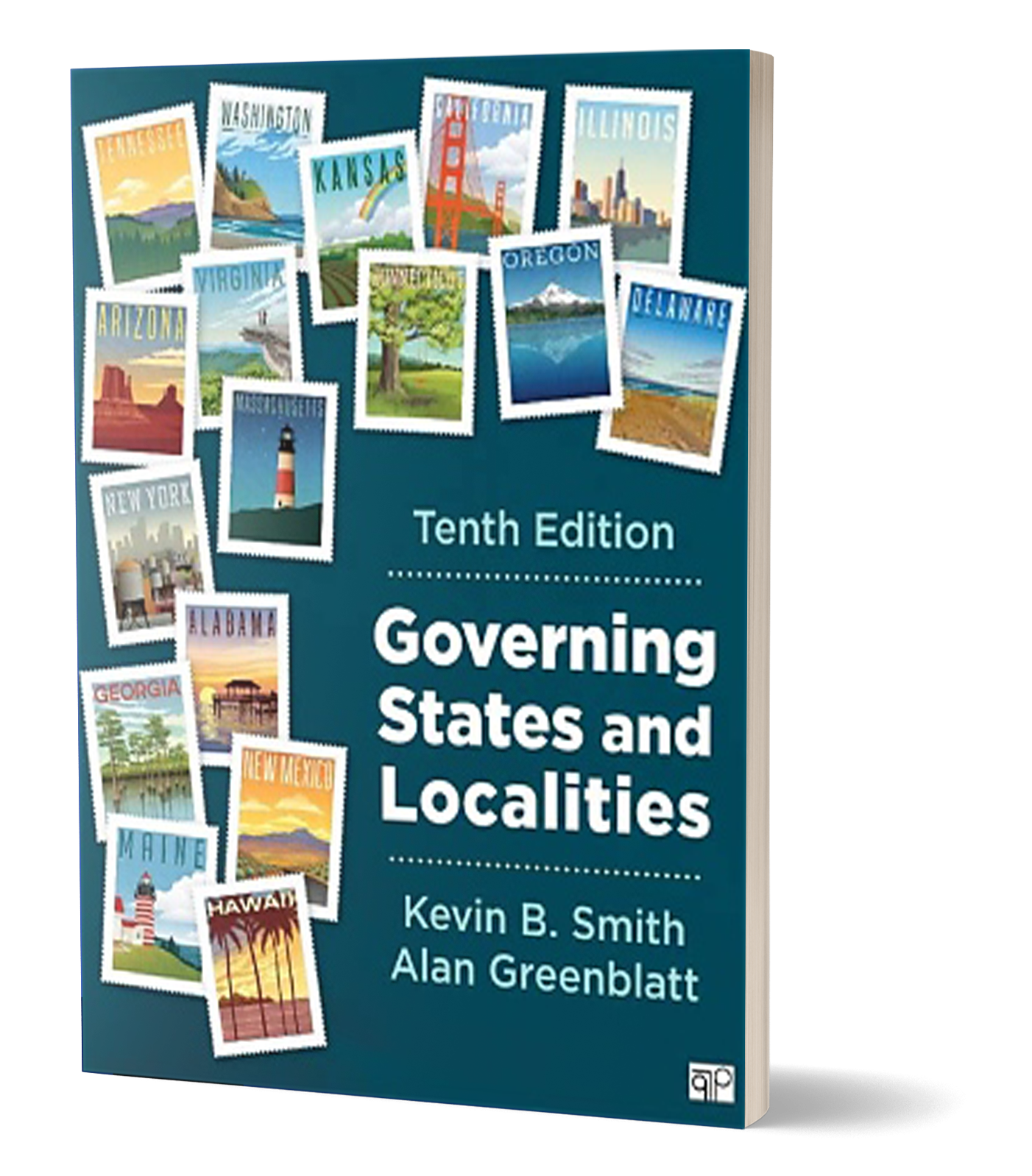
My most successful textbook, currently in its tenth edition and a staple of undergraduate courses on state and local government for a quarter-century. My co-author, Alan Greenblatt, is a former NPR reporter and editor of Governing magazine. We deliberately wrote this to be different from most textbooks, to use a magazine-style narrative to explain how state and local governments operate, emphasizing why their decisions matter for citizens’ daily lives.
The Jailer’s Reckoning
(2024, Rowman
& Littlefield)
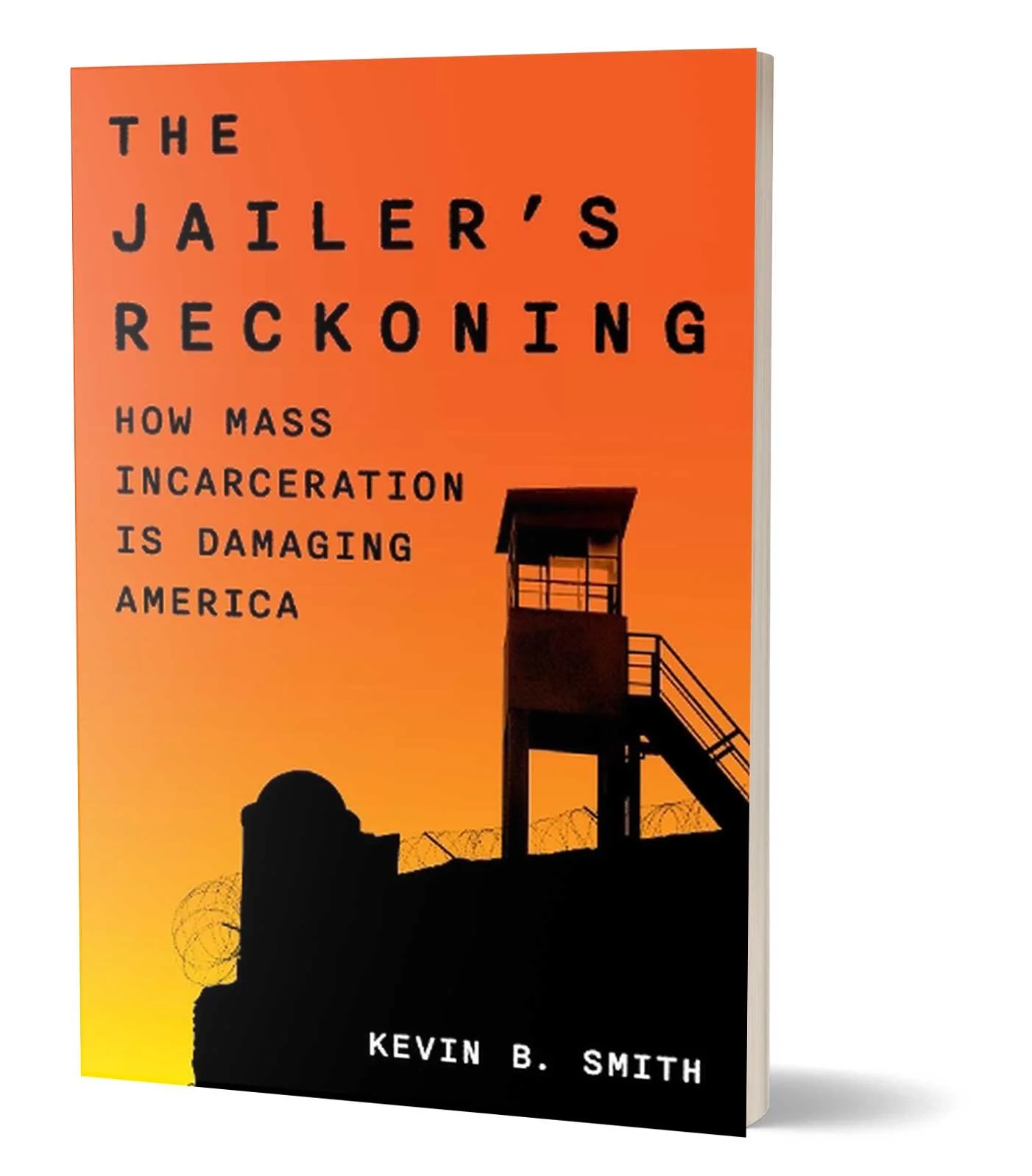
This book argues that America’s unprecedented system of mass incarceration—driven initially by legitimate concerns about violent crime and later accelerated by partisan and demographic shifts—has produced a vast population of ex‑prisoners whose experiences now shape everyday American life. The sheer scale of imprisonment has quietly eroded civic cohesion, economic opportunity, and political engagement.
Predisposed
(2024, Routledge)
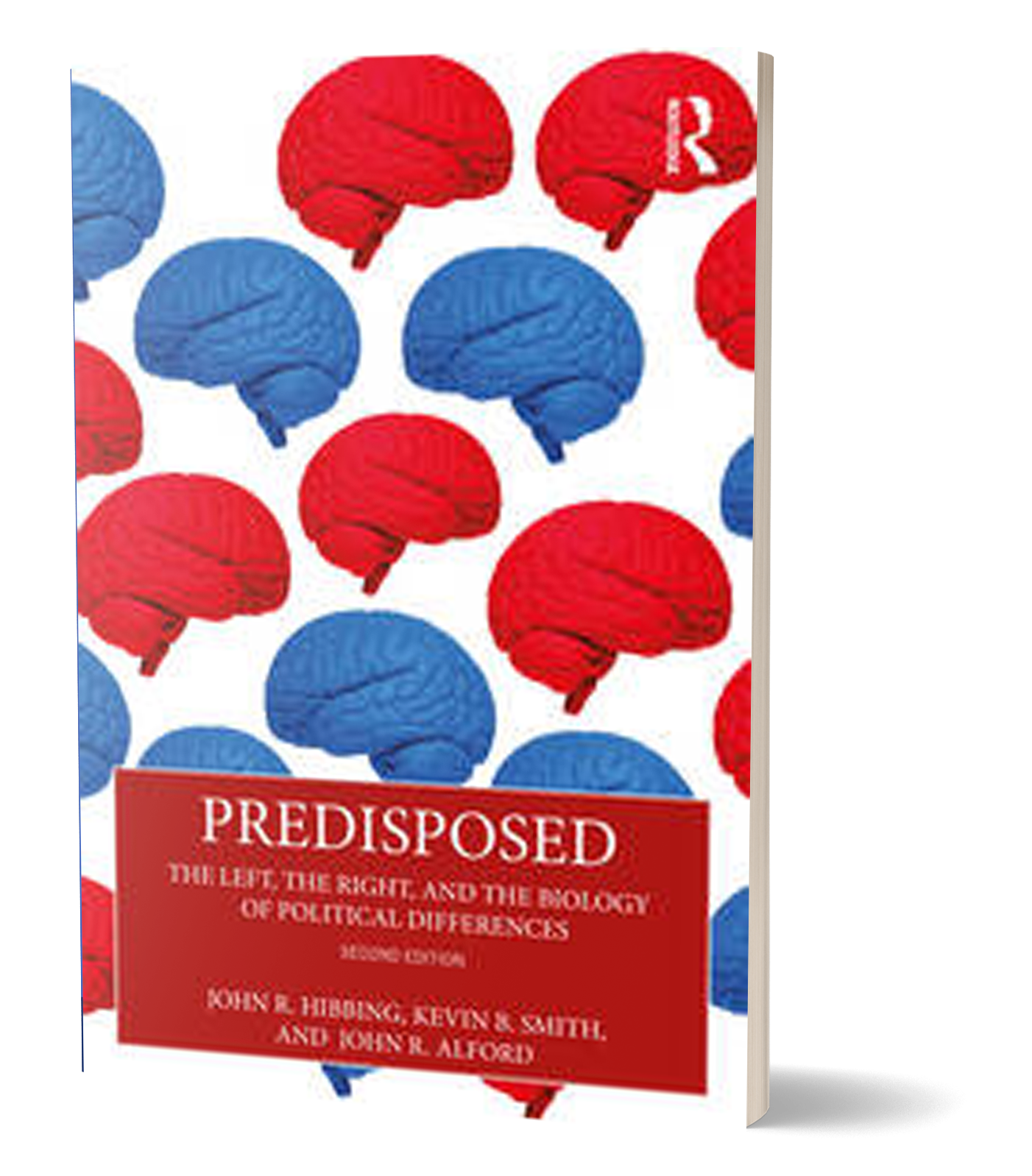
This book argues that our political beliefs are not simply products of culture, media, or rational calculation but are deeply rooted in stable psychological, physiological, and even genetic traits that shape how individuals perceive the world. This draws on decades of biopolitics research to make the case that liberals, conservatives, and newer ideological subgroups differ systematically in their threat sensitivity, information processing biases, and social orientation, making political conflict far more biologically grounded—and far less bridgeable—than most people assume.